It was likely after the harrowing experience of pilfering medication from an ailing grandfather in the 2014 game This War Of Mine that I recognized the profound understanding developer 11 Bit Studios possessed regarding brutalist strategies. More specifically, they excelled at compelling players to reevaluate their moral principles in the pursuit of survival.
In 2014, there was nothing comparable, and with the launch of Frostpunk in 2018, this particularly impactful approach to game design was expanded significantly, challenging players to manage an entire city grappling with the consequences of a climate crisis.
Now, six years later, Frostpunk 2 aims to revive the series’ emphasis on brutalist strategy, once again inviting players to guide a community of desperate survivors toward their ultimate survival, all while contending with both external threats and internal strife that continuously jeopardize their existence.
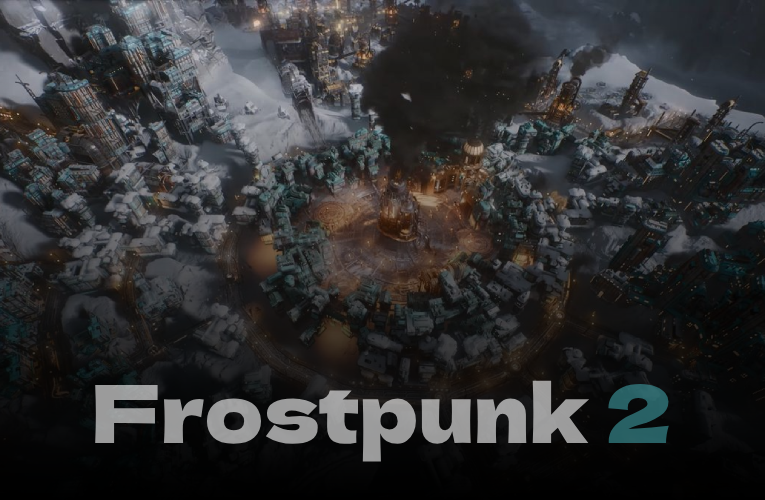
However, Frostpunk 2 presents this challenge within a somewhat altered context. In Frostpunk 2, players take on the role of the Steward, overseeing the interconnected districts of New London.
This role superficially resembles the responsibilities players had in the original game. Nevertheless, while the first Frostpunk was characterized by a bleak, survivalist atmosphere with little hope for a brighter future, Frostpunk 2 introduces a world where prosperity is achievable, despite the darker aspects of human nature. Like its predecessor and other narratives set in post-apocalyptic settings, Frostpunk 2 astutely recognizes that humanity’s greatest threat is, indeed, humanity itself, and this concept serves as the central theme throughout the sequel.
The Council’s decision-making is significantly influenced by inflated egos, distasteful politics, and diverse religious beliefs. In Frostpunk 2, players must navigate beyond mere resource management and ethical dilemmas; they must also engage in vote-seeking and faction appeasement to achieve their objectives. For instance, if a law is needed to enhance technological innovation for improving crop yields during lean months, it may satisfy the Engineer faction, which prioritizes technology.
However, this action could alienate the Foragers, who prefer to rely on the land’s natural resources.
Such tensions may lead to future conflicts on various issues. Alternatively, if one adopts a more authoritarian approach, they could declare a state of emergency, ruthlessly suppress dissent, and fracture relationships through violence, thereby instilling fear in political adversaries.
In Frostpunk 2, there are no truly favorable options; rather, players are faced with choices that are only slightly less detrimental, leaving a profound void where compassion once resided.
The game’s exploration of harsh political tactics and narrow-minded perspectives reflects unsettling parallels to real-world scenarios.
It is evident that hastily made, panic-driven decisions disproportionately impact the most vulnerable members of society, while those with greater resources and influence remain largely shielded from the repercussions of such actions.