Introduction: The Mechanical Renaissance
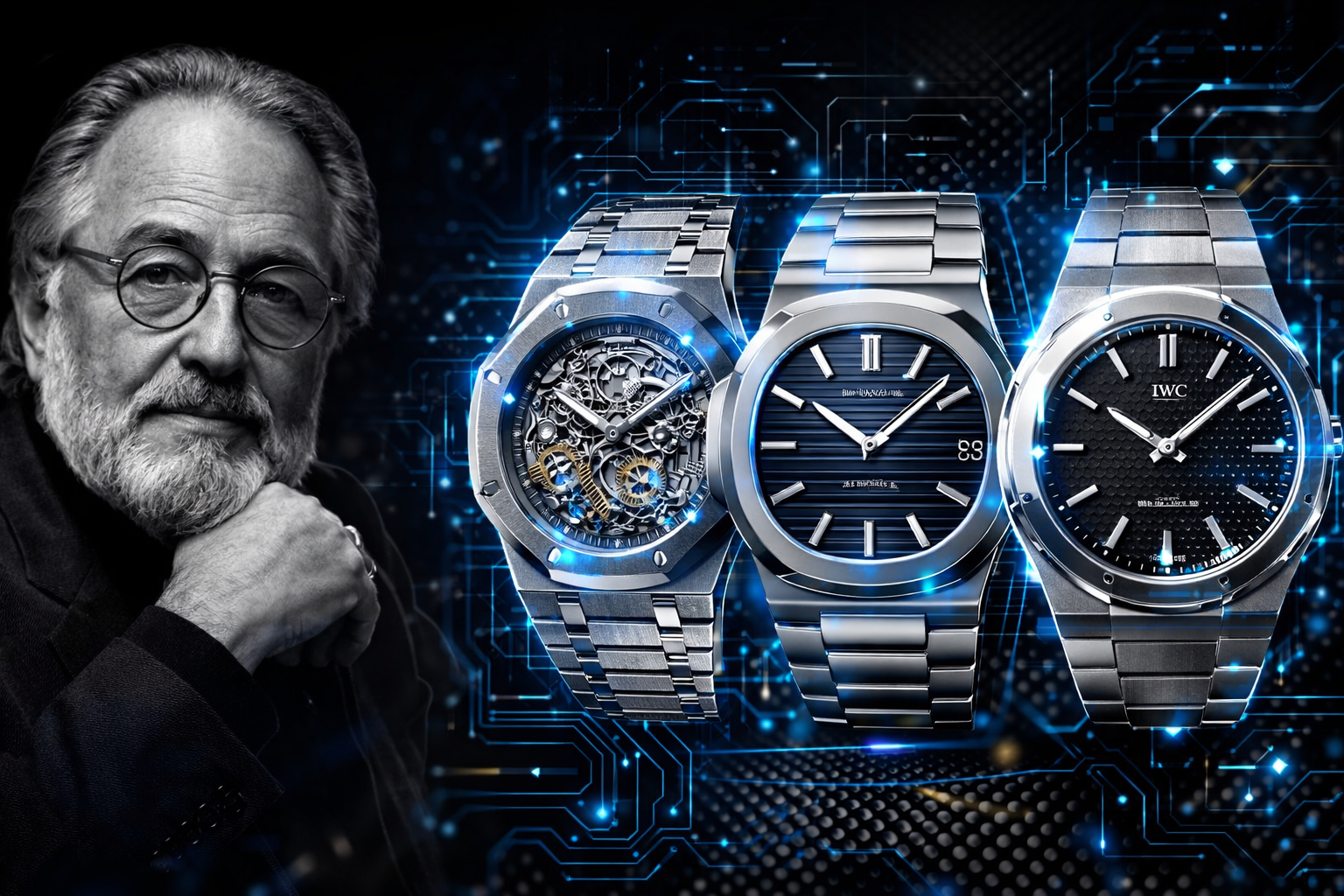
The future of luxury watches is not merely about tracking hours and minutes; it is a defiant monument to human ingenuity in an age of disposable technology. In an era dominated by fleeting digital notifications, high-end horology stands as a symbol of permanent value. As we approach the horizon of 2026, the world of fine watchmaking is undergoing a radical transformation. No longer just instruments of time, these “mechanical souls” are evolving into high-tech assets, blending 18th-century craftsmanship with 22nd-century materials.
The luxury watch market is projected to reach unprecedented heights by the end of the decade. Collectors are no longer just looking for a “Rolex” or a “Patek”; they are looking for legacy, scarcity, and technological transcendence. This article explores the seismic shifts in the industry, the revolutionary features awaiting us after 2026, and a comparison of the titans ruling the wrists of the elite.
1. Why 2026 is the Turning Point for Global Horology
The year 2026 marks a significant milestone in the history of watchmaking. It represents the end of a “post-pandemic” market correction and the beginning of a new technological era. Major Swiss manufacturers have spent the last five years investing in R&D specifically designed to make mechanical watches more durable than ever before.
The future of luxury watches after 2026 will be defined by the “Grand Complication” becoming accessible through modern engineering. We are moving away from the era of “hype watches” and moving into the era of “technical substance.” According to industry experts at the Federation of the Swiss Watch Industry, the demand for high-complexity mechanical movements is at an all-time high.
2. Revolutionary Materials: Beyond Steel and Gold
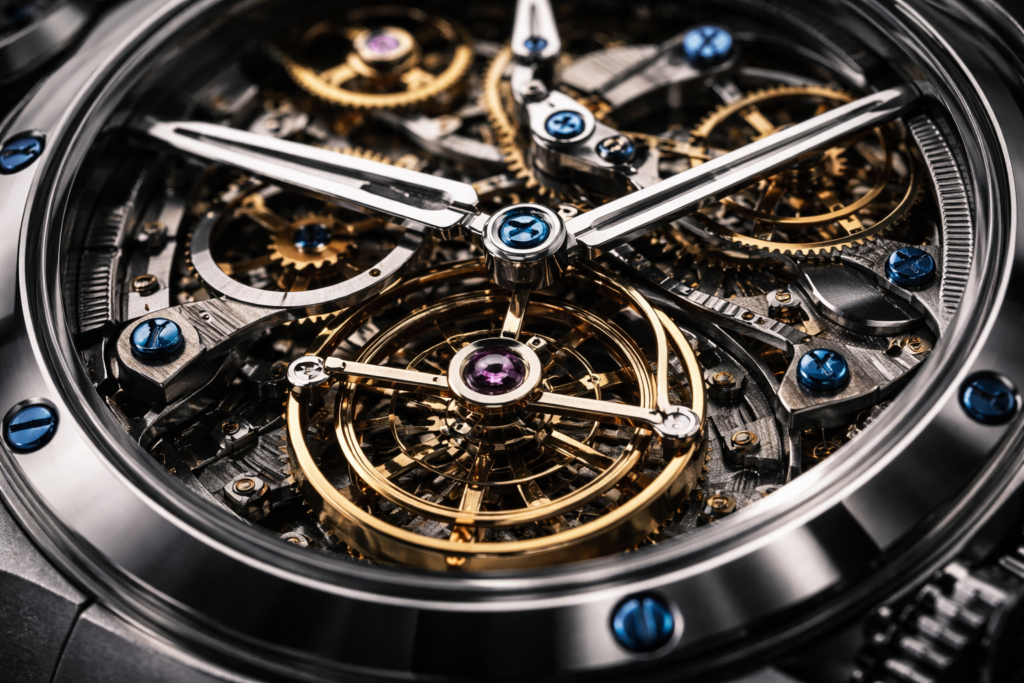
By late 2026, the definition of luxury materials will shift. While stainless steel and 18k gold will always be classics, the next generation of timepieces is being built on performance-grade elements.
Graphene and Carbon Composites
Brands like Richard Mille have experimented with carbon, but post-2026 will see the mass integration of Graphene-infused alloys. These materials are 200 times stronger than steel but lighter than titanium. Imagine a watch that feels like air but can withstand the pressure of the deep ocean or the vacuum of space.
Biocompatible Metals and Liquid Metal
We will see more brands adopting “Liquidmetal” technology for bezels, which are virtually scratch-proof and bond seamlessly with ceramics. This ensures that a watch bought in 2026 will look brand new in 2076, securing its place as a long-term heirloom.
3. The “Hyper-Mechanical” Features of 2026 and Beyond
The “Smart-Mechanical Hybrid” era is ending, giving way to the “Hyper-Mechanical” era. The future of luxury watches features high-tech solutions to age-old mechanical problems.
AI-Assisted Chronometric Precision
While the heart of the watch remains 100% mechanical, 2026 will introduce “Micro-Regulators” powered by kinetic energy. These regulators use AI-designed geometry to adjust the balance wheel’s frequency, ensuring that a mechanical watch stays as accurate as an atomic clock without ever needing a battery or a microchip.
Digital Twin & Blockchain Integration (NFTs)
Every luxury watch produced after 2026 will come with a Digital Passport. Using NFC chips embedded in the sapphire crystal, owners can scan their watch to prove authenticity instantly. This is a crucial innovation as it protects the buyer’s investment from the rising threat of high-quality counterfeits.
4. Comparative Analysis: The Titans of 2026
To understand the future of luxury watches, we must look at how the “Big Three” are pivoting for the 2026 market.
| Feature | Rolex (The King of Consistency) | Patek Philippe (The Heirloom) | Audemars Piguet (The Avant-Garde) |
| Strategy 2026+ | Increasing production slightly while maintaining strict scarcity. | Focusing on “Grand Complications” and rare handcrafts. | Merging high-fashion with ultra-complicated movements. |
| New Material | “Oystersteel Plus” – Enhanced corrosion resistance. | Silinvar (Silicon-based) parts for zero magnetism. | Ceramic-Gold (Cermet) blends that are unscratchable. |
| Price Growth | High (10-15% Annual Appreciation). | Explosive (Auction-driven value). | Volatile but high for limited editions. |
| Investment Rating | Strong Buy / Stable | Strong Buy / Long-term | Moderate / Cultural Value |
5. Deep Dive: Rolex’s Roadmap to 2030
Rolex remains the most dominant force in the industry. Looking toward 2026, the brand is moving toward “Vertical Integration.” They are buying their suppliers to ensure that every single screw and spring is manufactured in-house.
For the investor, this makes the brand incredibly stable. Expect the Submariner and GMT-Master II lines to receive “Movement 4.0” upgrades by 2027, featuring 100-hour power reserves and thinner profiles. These technical evolutions ensure they remain the gold standard for both daily wear and investment.
6. Patek Philippe: The Custodian of Art
Patek Philippe’s famous slogan, “You never actually own a Patek Philippe; you merely look after it for the next generation,” will take on new meaning. In 2026, Patek is expected to launch a new line of “Sustainable Complications.”
The future of luxury watches in the high-end sector involves using “Ethical Gold” and “Lab-Optimized Frictionless Parts.” By reducing the need for oils within the movement, Patek Philippe is aiming for a watch that only needs servicing once every 20 years, rather than the traditional five.
7. The Price of Luxury: What to Expect Post-2026?
If you are planning to buy a luxury watch in the 2026-2030 window, be prepared for a shift in pricing structures. The future of luxury watches includes a higher entry barrier but better value retention.
-
Entry-Level Luxury ($8,000 – $15,000): Brands like Tudor, Omega, and IWC will dominate this space. They will offer “Master Chronometer” certifications as a standard, making “entry-level” watches more technologically advanced than the top-tier watches of ten years ago.
-
The Investment Tier ($20,000 – $80,000): This is where Rolex and Vacheron Constantin sit. By 2026, the “grey market” (resellers) will be more regulated, meaning prices will be more stable.
-
The Ultra-High Net Worth Tier ($200,000+): Pieces from manufacturers like FP Journe will continue to be treated as “portable art.”
7 Best High-Ticket Sales Strategies for 2026: Skyrocket Your Business Revenue.
8. Sustainability: The New Pillar of Horology
The world is changing, and so is the way we define status. By 2026, the “Conflict-Free” label won’t be enough. Brands will move toward:
-
100% Recycled Steel: Using melted down surgical and industrial steel.
-
Lab-Grown Rubies: Ensuring ethical sourcing for every pivot and bearing within the caliber.
-
Vegan Straps: High-end alternatives to alligator and calfskin made from mushroom leather or cactus fibers.
9. The Rise of the Independent Watchmaker
While the corporate giants dominate the news, the real soul of the future of luxury watches lies with the independents. Artisans like Rexhep Rexhepi and brands like H. Moser & Cie are redefining aesthetics.
These brands are moving away from traditional round cases and toward “Kinetic Art.” These aren’t just watches; they are three-dimensional sculptures. We are seeing movements where the gears move in a balletic sequence, or dials that change color based on the wearer’s body temperature. For the elite collector, an independent piece offers a level of exclusivity that a mass-produced Rolex cannot match.
10. The Secondary Market as a Global Stock Exchange
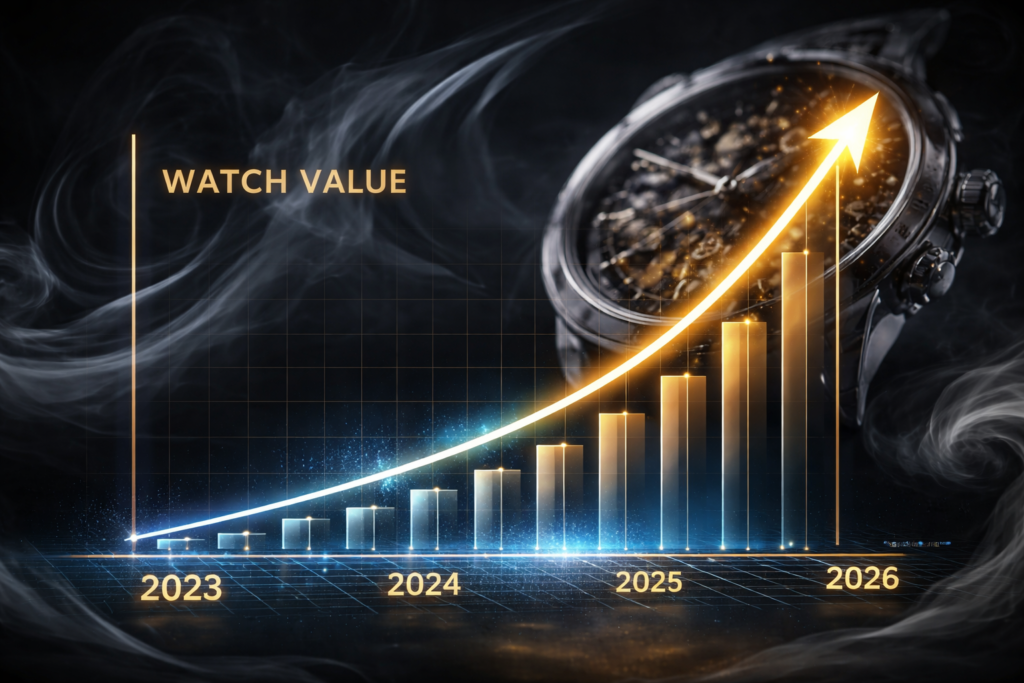
By 2026, luxury watches will be treated as a legitimate asset class, similar to gold or real estate. With the introduction of fractional ownership platforms, you won’t need $50,000 to own a piece of horological history. You will be able to buy “shares” of a 1970s Daytona. This democratizes the investment but also keeps prices high as more people enter the market.
11. Aesthetic Trends: The Return of “Neo-Vintage”
The future of luxury watches post-2026 will see a return to smaller, more elegant case sizes. The era of the 44mm “wrist-tank” is fading.
-
37mm to 39mm: This is becoming the “Golden Ratio” for both men and women.
-
Integrated Bracelets: The trend started by the Royal Oak will continue to evolve into seamless designs where the case and bracelet are one single flowing piece of metal.
-
Vibrant Dials: Using “Vantablack” (the darkest black) or “Iridescent Mother of Pearl,” dials will become the primary focus of artistic expression.
12. Psychological Value: Analog in a Digital World
Why do we still want these mechanical marvels? In a world of AI, VR, and automation, something that works purely on tension and gravity is “Human.” A luxury watch in 2026 is a statement of autonomy. It says, “I don’t need a charger, I don’t need a signal, and I don’t need a software update to exist.” This psychological grounding is what ensures the industry will never die.
13. How to Invest in the Future of Luxury Watches
If you are standing in a boutique in 2026, looking to make a purchase that will hold its value, follow these three golden rules:
-
Check for Silicon Components: These ensure magnetism from your smartphone and laptop doesn’t ruin the watch’s accuracy.
-
Verify the Digital Passport: Ensure the NFT/Blockchain record is transferred to your name immediately upon purchase.
-
Look for 70+ Hour Power Reserve: In the post-2026 world, any watch that stops ticking over a weekend is considered technologically obsolete.
14. Women and the New Market Frontier
One of the most significant shifts post-2026 is the explosion of the female luxury watch market. Women are moving away from “jewelry watches” and toward “mechanical masterpieces.” Brands like Audemars Piguet are responding by creating smaller versions of their most complicated movements specifically for women. This segment is expected to be the fastest-growing part of the industry through 2030.
15. Conclusion: A Timeless Future
As we look beyond 2026, the future of luxury watches is not just surviving; it is thriving. In a world of automation, something that works purely on human touch is the ultimate luxury. Whether you are an investor looking for 15% annual returns or an enthusiast looking for a piece of history, the watches released after 2026 will be the most advanced, beautiful, and durable objects ever created.
The mechanical watch is no longer a tool; it is a statement of human autonomy. It is the only investment you can wear on your wrist while it increases in value every single day.
SEO Summary Table for Collectors
| Metric | Prediction for 2026-2030 |
| Average Case Size | 38mm (Unisex appeal) |
| Dominant Material | Titanium-Ceramic Hybrids |
| Security | Blockchain/NFC Integrated |
| Service Interval | 10-15 Years |
| Market Outlook | Bullish / High Growth |
2 thoughts on “Future of Luxury Watches: The Ultimate 2026 Investment and Technology Guide”